











Pêche, cyclisme, ski : quand la polarisation est vraiment essentielle, et quand elle ne l’est pas
Introduction
“ Je vais prendre celui qui est polarisé, c’est mieux de toute façon. ”
On entend souvent cette phrase dans les magasins d'optique sportive. Et dans bien des cas, c'est vrai. Mais pas toujours.
La polarisation est une technologie spécifique conçue pour résoudre un problème précis. Et comme toute technologie, elle excelle dans certaines situations, tandis que dans d'autres, elle n'apporte pas grand-chose, voire peut poser des problèmes.
Lunettes de soleil polarisées pour la pêche : l'utilisation idéale
Il n'y a pas de sport où la polarisation soit plus utile qu'en pêche.
La raison est simple : les pêcheurs ont besoin de voir ce qu'il y a dans l'eau, et sans polarisation, ils ne voient pour l'essentiel que le reflet du ciel à la surface.
La lumière du soleil réfléchie par l'eau est fortement polarisée horizontalement — c'est précisément le type de lumière que bloque un verre polarisé. La réflexion disparaît ainsi presque entièrement, ce qui permet de percevoir la profondeur, le fond et les poissons.
Ce n'est pas une différence négligeable. C'est la différence entre percevoir ou non le but même de votre sortie.
Pour la pêche à la mouche, la pêche en rivière et la pêche depuis le rivage, les verres polarisés ne sont pas un simple choix : c'est un outil indispensable.
Les verres polarisés pour le ski : quand ils sont efficaces et quand ils ne le sont pas
Sur la neige, la polarisation s'avère utile en cas de fort ensoleillement, lorsque les reflets de la neige ou de la glace provoquent un éblouissement intense. Dans ces conditions, un verre polarisé réduit considérablement l'inconfort visuel et améliore le confort.
Cependant, dans des conditions de lumière diffuse — voile blanc, brouillard, ciel couvert —, la polarisation perd de son importance. Dans ces conditions, il n'y a pas de reflets intenses à éliminer. Le principal problème est le faible contraste, et non l'éblouissement.
Un verre optimisant le contraste, comme le Storm, ou un verre photochromique à indice de transmission lumineuse (VLT) élevé sera plus adapté.
Conclusion : pour les skieurs qui pratiquent aussi bien par temps ensoleillé que dans des conditions météorologiques plus difficiles, un verre photochromique avec polarisation intégrée, tel que le modèle « The One », permet de s'adapter à ces deux situations.
Cyclisme sur route : pourquoi la polarisation fait la différence
Quiconque roule sur de l'asphalte mouillé, traverse des ponts au-dessus de rivières ou de lacs, ou fait souvent du vélo lorsque le soleil bas se reflète sur la route connaît bien le genre d'éblouissement que la polarisation permet d'éliminer.
Sur l'asphalte mouillé, les reflets peuvent être suffisamment intenses pour réduire dangereusement la visibilité.
Remarque : avec des verres polarisés, certains écrans GPS peuvent devenir difficiles à lire. Si vous utilisez un compteur de vélo doté d'un écran LCD, vérifiez d'abord la compatibilité des verres avec votre appareil, ou assurez-vous que le compteur de vélo n'utilise pas d'écran LCD.
VTT : polarisation ou contraste ? Tout dépend du parcours
En ce qui concerne le VTT, la réponse n'est pas aussi tranchée.
Si vous roulez principalement sur des sentiers dégagés, par temps ensoleillé ou dans des environnements où il y a de l'eau (lacs d'altitude, ruisseaux, rivières), le choix de lunettes polarisées s'impose.
Si vous roulez principalement en forêt, dans des conditions de faible luminosité et de lumière diffuse, le contraste est plus important que la réduction de l'éblouissement.
De nombreux adeptes du VTT trouvent qu'un verre optimisé pour le contraste, comme le modèle Storm, est plus pratique pour les sorties hivernales et dans les zones boisées, tandis qu'ils préfèrent un verre photochromique ou polarisé pour les sorties estivales en terrain dégagé.
Course à pied : quand un verre polarisé n'est pas nécessaire
Lorsqu'on court dans les parcs ou sur une piste, on observe rarement ces reflets intenses sur les surfaces horizontales qui justifient l'utilisation de lunettes polarisées.
Un bon verre photochromique — c'est-à-dire un verre qui s'adapte aux variations de luminosité entre les bâtiments, les arbres et la lumière directe du soleil — est souvent le choix le plus pratique.
Exception : courir sur la plage ou près de l'eau, où les reflets peuvent être importants.

Comment choisir le bon objectif : la règle pratique
La polarisation est utile lorsque le principal problème réside dans la réflexion sur des surfaces horizontales : l'eau, la neige gelée, l'asphalte mouillé.
Lorsque le problème est lié à des variations de luminosité, à un faible niveau de luminosité ou à un contraste réduit, d'autres technologies sont plus adaptées.
Il ne s'agit pas de dire que “ la polarisation, c'est mieux ” ou “ la polarisation, c'est pire ”. Il s'agit plutôt de choisir la technologie la mieux adaptée au problème que l'on souhaite résoudre.
| Pêche | Toujours |
| Skier sous un soleil de plomb | Oui |
| Skier en conditions de « whiteout » ou de brouillard | Non, optez plutôt pour des verres à fort contraste |
| Cyclisme sur route sur asphalte mouillé | Oui |
| VTT en forêt ou dans des conditions de faible luminosité | Non, optez plutôt pour des verres photochromiques ou pour le modèle Storm. |
| Courir dans les parcs ou sur piste | C'est rarement nécessaire |
Produits recommandés
🎣Pêche
Piuma Pêche
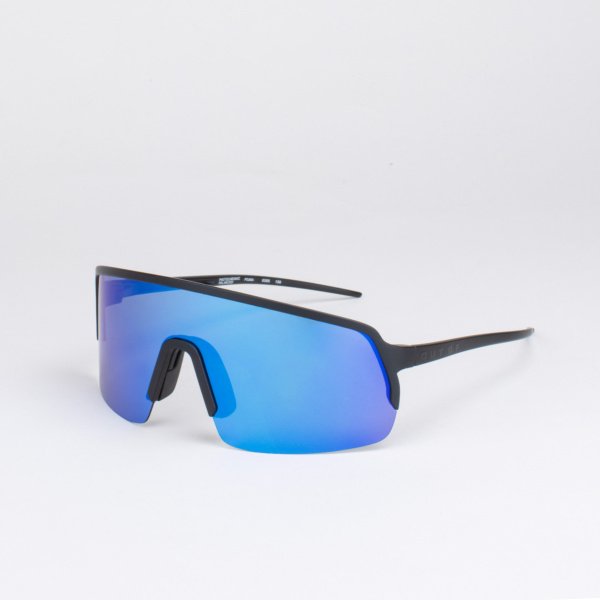
La plus légère au monde dans sa catégorie : 16,1 g. Monture en Grilamid + fibre de carbone. Verres photochromiques et polarisés « The One ». Fabriquée en Italie.
€189
En savoir plus >
Swordfish Pêche

Monture robuste en Grilamid, branches dotées d'un revêtement antidérapant pour les environnements aquatiques. Verres « The One » photochromiques et polarisés. Fabriqué en Italie.
€149
En savoir plus >
Forge

Monture enveloppante avec couverture latérale +30%, verres hydrophobes, plaquettes nasales et embouts de branches en silicone. Fabriquée en Italie.
€199
En savoir plus >
⛷️Ski et snowboard
Void The One

Lunettes de ski légères offrant un champ de vision exceptionnel de 215°. Verres « One » photochromiques et polarisés, monture compatible OTG. Fabriquées en Italie.
€189
En savoir plus >
Katana The One

Lunettes de ski équipées de verres photochromiques et polarisés « The One » et d'un système de changement rapide des verres en 6 secondes. Fabriquées en Italie.
€169
En savoir plus >
Shift The One

Lunettes de ski compactes équipées de verres photochromiques et polarisés « The One » et dotées d'un système de changement rapide des verres. Fabriquées en Italie.
€169
En savoir plus >
🚴Cyclisme sur route et VTT
Piuma

La plus légère au monde dans sa catégorie : 16,1 g. Monture en Grilamid + fibre de carbone. Verres photochromiques et polarisés « The One ». Fabriquée en Italie.
€189
En savoir plus >
Swordfish

Monture robuste en Grilamid, branches dotées d'un revêtement antidérapant pour les environnements aquatiques. Verres « The One » photochromiques et polarisés. Fabriqué en Italie.
€149
En savoir plus >
Forge

Monture enveloppante avec couverture latérale +30%, verres hydrophobes, plaquettes nasales et embouts de branches en silicone. Fabriquée en Italie.
€199
En savoir plus >
